


-
Physiogears Mini Ultrasonic Physiotherapy Machine (METAL)
Vendor:PhysiogearsRegular price Rs. 2,499.00Regular priceUnit price perRs. 6,000.00Sale price Rs. 2,499.00Sale -
Mini Ultrasound Machine for Physiotherapy
Vendor:PhysiogearsRegular price Rs. 2,499.00Regular priceUnit price perRs. 5,999.00Sale price Rs. 2,499.00Sale -
Physiogears Ultrasonic Deluxe Physiotherapy Equipment
Vendor:PhysiogearsRegular price Rs. 3,515.00Regular priceUnit price perRs. 10,000.00Sale price Rs. 3,515.00Sale -
Physiogears Heavy Duty Ultrasound Therapy Machine
Vendor:PhysiogearsRegular price Rs. 5,999.00Regular priceUnit price perRs. 15,000.00Sale price Rs. 5,999.00Sale -
Physiogears Ultrasonic 1 & 3 LCD Machine physiotherapy equipments
Vendor:PhysiogearsRegular price Rs. 9,000.00Regular priceUnit price per -
Physiogears Ultrasonic Therapy Machine 1 & 3 MHz
Vendor:PhysiogearsRegular price Rs. 9,998.00Regular priceUnit price perRs. 19,999.00Sale price Rs. 9,998.00Sale -
Physiogears 1 & 3 MHz 50 Program Ultrasonic Therapy Machine
Vendor:PhysiogearsRegular price Rs. 12,824.00Regular priceUnit price perRs. 24,900.00Sale price Rs. 12,824.00Sale -
Ultrasonic 1 & 3 MHZ Physiotherapy Machine
Vendor:PhysiogearsRegular price Rs. 6,998.00Regular priceUnit price perRs. 16,000.00Sale price Rs. 6,998.00Sale -
9 Program Ultrasonic Therapy Machine
Vendor:PhysiogearsRegular price Rs. 3,448.00Regular priceUnit price perRs. 11,000.00Sale price Rs. 3,448.00Sale -
5 LED Ultrasound Physiotherapy Machine
Vendor:PhysiogearsRegular price Rs. 4,499.00Regular priceUnit price perRs. 11,000.00Sale price Rs. 4,499.00Sale


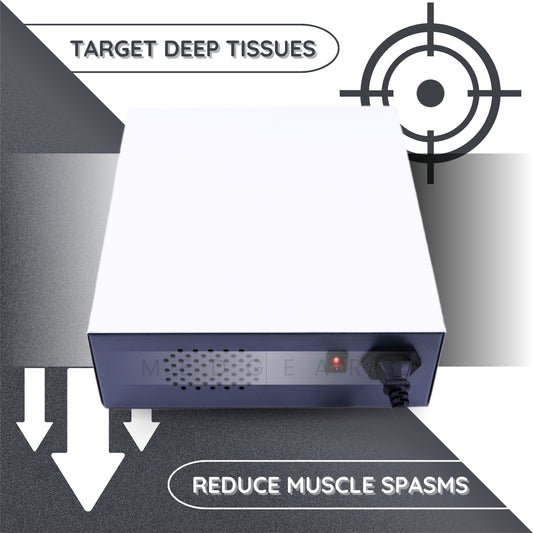


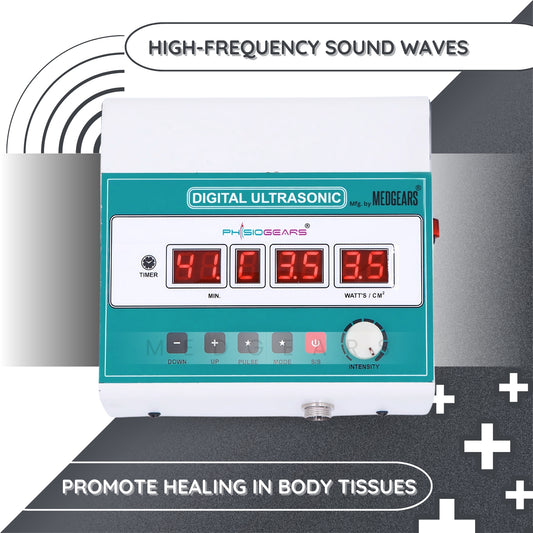

What Is Ultrasound Therapy?
Ultrasound therapy is a physiotherapy modality that uses high-frequency sound waves as part of a treatment plan. An ultrasound therapy machine sends these sound waves through an ultrasound head, which is moved over the selected treatment area with the help of a suitable coupling gel.
It is different from the ultrasound scans used for medical imaging. A therapeutic ultrasound machine is designed specifically for use as part of physiotherapy and rehabilitation.
Physiotherapists may choose ultrasound therapy equipment based on the treatment plan, the area being treated, the required frequency and the features available on the machine.
The Physiogears range includes both straightforward manual machines and models with additional programs, displays and frequency options, giving professionals more choice when selecting their equipment.
How Does an Ultrasound Therapy Machine Work?
An ultrasonic therapy machine uses an applicator or treatment head to deliver ultrasound energy to the selected area. A coupling medium, usually ultrasound gel, is used between the treatment head and skin to allow the ultrasound waves to transfer properly.
Different machines can offer different operating modes and frequency options. For example, some Physiogears models operate at 1 MHz, while selected machines offer both 1 MHz and 3 MHz.
The appropriate settings depend on the individual treatment plan, the equipment being used and professional assessment. For this reason, the machine's specifications and manufacturer's instructions should always be considered before use.
1 MHz vs 3 MHz Ultrasound Therapy Machines
Frequency is one of the important specifications to consider when choosing an ultrasound machine for physiotherapy.
Physiogears offers machines with 1 MHz as well as models offering 1 & 3 MHz operation.
If you are looking for a machine with greater frequency flexibility, a 1 & 3 MHz ultrasound therapy machine may be worth considering. If your requirements are limited to a single frequency, a 1 MHz model can provide a simpler option.
Rather than choosing a frequency based only on the machine's name or price, consider the type of physiotherapy practice you have and the requirements of the treatment protocols you follow.
Types of Ultrasound Therapy Machines at Physiogears
Physiotherapy practices do not all work in the same way. That's why the Physiogears collection includes different types of ultrasonic physiotherapy equipment instead of offering just one standard machine.
Mini Ultrasound Machines
A mini ultrasound machine can be useful when space is limited or when a compact equipment setup is preferred.
Physiogears offers mini models in different configurations, including the Physiogears Mini Ultrasonic Physiotherapy Machine (Metal) and Mini Ultrasound Machine for Physiotherapy.
These machines are designed around a more compact form factor and can be considered for smaller treatment rooms, private practices and suitable home physiotherapy setups.
1 & 3 MHz Ultrasound Machines
For professionals looking for more frequency flexibility, Physiogears offers several 1 & 3 MHz ultrasound therapy machines.
The range includes models with different controls and program configurations, allowing you to compare the features that matter most to your practice.
Multi-Program Ultrasound Machines
Some users prefer an ultrasound therapy machine with preset programs rather than relying only on manual settings.
Physiogears offers multi-program options, including the 1 & 3 MHz 50 Program Ultrasonic Therapy Machine and the 9 Program Ultrasonic Physiotherapy Machine.
These models can be considered by users who prefer having multiple preset options available on their equipment.
Heavy-Duty Ultrasound Therapy Equipment
For a physiotherapy clinic where equipment is used regularly, a robust machine can be an important consideration.
The Physiogears Heavy Duty Ultrasound Therapy Machine is designed as a more substantial option within the range and can be considered when choosing equipment for a professional physiotherapy environment.
How to Choose the Right Ultrasound Therapy Machine
There is no single ultrasound therapy machine that will be the right choice for every physiotherapist or every setup. The best option depends on the features you actually need.
Before purchasing, consider the following:
1. Check the Frequency
First, decide whether you need a 1 MHz ultrasound machine or a model offering 1 & 3 MHz frequencies.
If you want the flexibility of two frequencies, compare the 1 & 3 MHz models in the Physiogears range.
2. Look at the Available Programs
If you prefer preset settings, check how many programs are available on the machine.
Physiogears offers machines with different program configurations, including manual options and models with multiple preset programs.
3. Consider the Machine Size
If your treatment room has limited space, a mini ultrasound machine may be more convenient.
For larger clinics with dedicated equipment areas, a full-size or heavy-duty model may make more sense.
4. Choose the Display and Controls You Prefer
Different models use different control and display arrangements, including LCD, LED and other control configurations.
Think about what will be easiest for you and your staff to operate during everyday clinical use.
5. Think About How the Machine Will Be Used
A machine intended for regular clinic use may have different requirements from one being considered for a smaller private or home physiotherapy setup.
Consider how often it will be used, who will operate it and what features are genuinely necessary.
6. Compare the Complete Specifications
Price should not be the only deciding factor.
Compare frequency, programs, operating modes, display, controls, machine size and other specifications before making your final decision.
How to Use an Ultrasound Therapy Machine
Using an ultrasonic therapy machine involves more than simply switching the device on and moving the treatment head over the skin.
The basic process generally involves preparing the treatment area, applying an appropriate coupling medium such as ultrasound gel, selecting the required settings and using the ultrasound head according to the treatment plan and manufacturer's instructions.
For professional use, treatment settings should be selected by a qualified physiotherapist or healthcare professional based on the individual being treated.
Basic Points to Remember
- Read the manufacturer's instructions before operating the machine.
- Use an appropriate coupling gel as instructed.
- Make sure the treatment head and skin are prepared correctly.
- Follow the recommended settings for the specific device.
- Keep the applicator moving as instructed rather than using it incorrectly in one position.
- Clean and store the equipment according to the manufacturer's instructions.
- Do not use the machine simply because a particular setting worked for someone else.
For home users in particular, professional guidance is recommended before using therapeutic ultrasound equipment.
Who Can Use an Ultrasound Therapy Machine?
Ultrasound therapy machines are primarily associated with physiotherapists, rehabilitation professionals, clinics and other healthcare settings where therapeutic ultrasound forms part of an appropriate treatment plan.
Physiotherapists
Physiotherapists can incorporate ultrasound therapy into a wider rehabilitation plan when they consider it appropriate.
Physiotherapy Clinics
Clinics may choose from compact, professional, multi-program and dual-frequency machines depending on their equipment requirements.
Rehabilitation Centres
Rehabilitation environments may benefit from equipment that fits their treatment workflow and frequency of use.
Home Users
Some people may consider an ultrasound therapy machine for a home physiotherapy setup. However, home availability does not mean that everyone should independently choose treatment settings or use therapeutic ultrasound without guidance.
If you are considering an ultrasound machine for home use, it is sensible to first discuss whether therapeutic ultrasound is appropriate for your situation with a qualified physiotherapist or healthcare professional.
Is an Ultrasound Therapy Machine Suitable for Home Use?
Yes, some ultrasonic therapy machines can be considered for home physiotherapy setups, particularly compact models where space and ease of equipment placement are important.
However, there is an important distinction between having a machine at home and using it without professional guidance.
Therapeutic ultrasound is a treatment modality, so the decision to use it should be based on the individual's situation and treatment requirements. A physiotherapist can help determine whether ultrasound therapy is appropriate and advise on the correct use of the equipment.
For home users, compact models such as mini ultrasound machines may be worth considering when portability and space are priorities. Always check the individual product specifications and operating instructions before purchasing.
When Should Ultrasound Therapy Be Avoided?
Ultrasound therapy is not appropriate for every person or every treatment area.
Certain medical conditions, implants, treatment areas and circumstances may make therapeutic ultrasound unsuitable. For example, additional caution may be required around certain electronic implants, active infections, areas of bleeding, some vascular conditions, certain areas during pregnancy and some other clinical situations.
This is why therapeutic ultrasound should not be treated as a one-size-fits-all treatment.
If you have a medical condition, are pregnant, have an implanted electronic device or are unsure whether ultrasound therapy is suitable for you, speak with a qualified healthcare professional before using an ultrasound therapy machine.
Why Choose Physiogears Ultrasound Therapy Machines?
Physiogears offers a range of ultrasound therapy machines to suit different physiotherapy and rehabilitation setups, from compact models to heavy-duty equipment.
- Multiple Machine Options: Choose from mini, professional and heavy-duty models.
- 1 & 3 MHz Options: Several machines offer both 1 MHz and 3 MHz frequency options.
- Different Program Choices: Select from manual and multi-program machines based on your requirements.
- Suitable for Different Setups: Options are available for physiotherapy clinics, rehabilitation spaces and suitable home setups.
- Easy to Compare: Compare features and specifications to find an ultrasound therapy machine that fits your needs and budget.
Frequently Asked questions
What is an ultrasound therapy machine?
An ultrasound therapy machine is a physiotherapy device that uses high-frequency sound waves as part of therapeutic treatment. It uses an ultrasound head and coupling medium to deliver ultrasound energy to the selected treatment area.
What is an ultrasound therapy machine used for?
An ultrasound therapy machine is used as one of the modalities available in physiotherapy and rehabilitation. Its suitability depends on the individual, treatment area and treatment plan.
What is the difference between 1 MHz and 3 MHz ultrasound?
1 MHz and 3 MHz are different ultrasound operating frequencies. Some Physiogears machines provide 1 MHz operation, while selected models provide both 1 MHz and 3 MHz, giving professionals a choice of frequency according to their treatment requirements.
Can I use an ultrasound therapy machine at home?
Some ultrasound therapy machines can be used as part of a home physiotherapy setup when appropriate. However, home use should not mean independently selecting treatment settings without guidance. Speak with a qualified physiotherapist or healthcare professional if you are unsure whether therapeutic ultrasound is suitable for you.
Which ultrasound machine is best for physiotherapy?
There isn't one machine that is best for every physiotherapy practice. The right choice depends on factors such as frequency, programs, machine size, controls, display and how frequently the equipment will be used.
How often should an ultrasound therapy machine be used?
There is no single schedule that is suitable for everyone. Frequency and treatment settings depend on the individual, the treatment plan and the specific equipment being used. Follow professional advice and the manufacturer's instructions.
What should I look for when buying an ultrasound therapy machine?
Look at the frequency, available programs, operating modes, display and controls, machine size and other technical specifications. You should also consider whether the machine is intended for your clinic, professional practice or an appropriate home setup.