


Physiotherapy Heat Machine
-
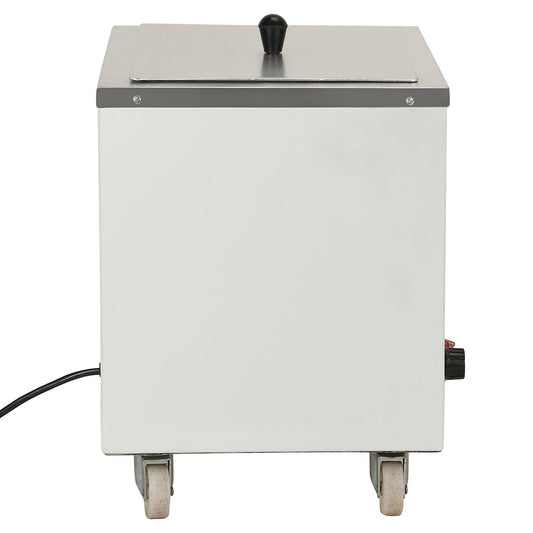
Physiogears Wax Bath Machine
Vendor:PhysiogearsRegular price Rs. 6,499.00Regular priceUnit price perRs. 12,000.00Sale price Rs. 6,499.00Sale -
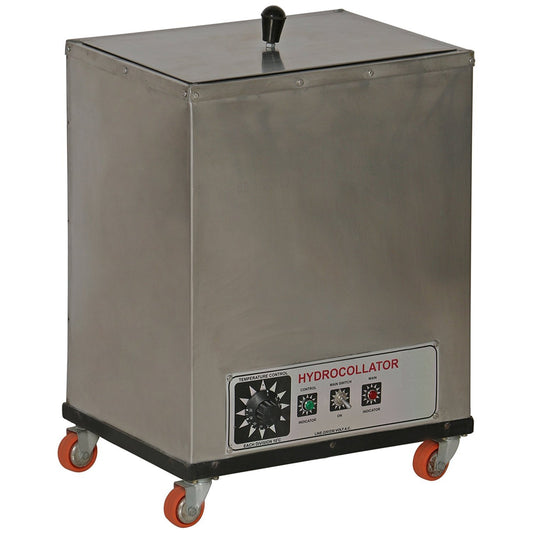
Physiogears Hydrocollator Unit
Vendor:PhysiogearsRegular price Rs. 8,999.00Regular priceUnit price perRs. 15,000.00Sale price Rs. 8,999.00Sale


Physiotherapy Heat Machines for Heat Therapy & Rehabilitation
Heat therapy can be a useful part of a broader physiotherapy and rehabilitation programme, particularly when warmth is incorporated alongside other treatment approaches. Physiotherapy heat machines provide dedicated equipment for professional heat-based applications, helping clinics organise their treatment setup around the therapies they offer.
At Physiogears, this collection includes dedicated equipment such as the Physiogears Wax Bath Machine and Physiogears Hydrocollator Unit. The two products are designed for different heat-therapy applications, giving professionals a choice based on their treatment workflow and equipment requirements.
Whether you are setting up a physiotherapy clinic, expanding a rehabilitation centre, upgrading an existing therapy room, or looking for professional heat therapy equipment, choosing the right machine starts with understanding the application you need.
Explore Physiogears Physiotherapy Heat Machines
Physiogears Hydrocollator Unit
The Physiogears Hydrocollator Unit is designed for setups where hot packs form part of the therapy workflow. A dedicated hydrocollator can be a practical addition to physiotherapy clinics and rehabilitation environments that regularly prepare hot packs for treatment.
When selecting a hydrocollator, consider factors such as capacity, available space, frequency of use, operating requirements, and how the unit will fit into your existing treatment area.
For a busy clinic, having dedicated equipment for hot-pack preparation can help keep the treatment process organised and reduce the need to rely on makeshift heating arrangements.
Physiogears Wax Bath Machine
The Physiogears Wax Bath Machine offers a different approach to heat therapy through wax-based applications. Wax bath equipment is commonly associated with professional physiotherapy and rehabilitation settings where localized heat application forms part of an appropriate treatment protocol.
For professionals considering this type of equipment, useful factors include machine size, workspace, operating requirements, cleaning routine, and the type of applications you intend to provide.
The wax bath machine and hydrocollator serve different purposes, so your choice should be based on the type of therapy you actually provide rather than simply selecting the machine with the most features.
What Is a Physiotherapy Heat Machine?
A physiotherapy heat machine is equipment designed to support specific heat-based therapy applications. Unlike a general household heating product, professional equipment is selected according to its intended application, operating requirements, treatment environment, and workflow.
Heat therapy itself can be incorporated into physiotherapy alongside approaches such as exercise, manual therapy, electrotherapy, and other rehabilitation techniques.
The purpose of dedicated equipment is therefore not simply to produce warmth, but to provide a more appropriate and manageable setup for the particular heat therapy method being used.
How Heat Therapy Fits Into Physiotherapy
Heat therapy is often used as one component of a broader physiotherapy programme rather than as a standalone treatment. Depending on the individual and the treatment plan, warmth may be incorporated to help with symptoms such as muscle or joint stiffness.
Clinical guidance notes that heat can help relax muscles, loosen stiff joints, and improve comfort in some situations, although the appropriate approach depends on the individual and the underlying issue.
This is why choosing the right physiotherapy heat machine should be based on the application, professional protocol, and user's requirements rather than simply searching for the highest-powered option.
Who Can Benefit From Professional Heat Therapy Equipment?
These machines can be relevant to a variety of professional environments, including:
- Physiotherapy clinics
- Rehabilitation centres
- Sports rehabilitation facilities
- Hospitals and healthcare facilities
- Wellness and therapy centres
- Professional treatment rooms
- Physiotherapy training environments
For professional users, equipment selection should also take into account the expected workload and how frequently the machine will be used.
A clinic that uses hot packs throughout the day may have different requirements from a smaller therapy room that uses heat therapy occasionally.
Choosing the Right Physiotherapy Heat Machine
Before buying a physiotherapy heat machine, consider more than just the purchase price.
Consider the Treatment Application
Start with the type of heat therapy you actually intend to provide. If hot packs are central to your workflow, a hydrocollator may be more relevant. If wax-based applications are part of your service, a wax bath machine may make more sense.
Consider Available Space
Professional therapy rooms can become crowded quickly. Measure the available workspace before purchasing equipment and consider where the machine will be positioned during operation as well as when it is not being used.
Think About Daily Usage
A machine used several times a day may have different practical requirements from one used occasionally. Consider workflow, accessibility, cleaning, and how easily staff can operate the equipment.
Check Product Specifications
Always review the individual product page for the machine's dimensions, capacity, power requirements, controls, included components, warranty, and other specifications before purchasing.
Consider Maintenance
Heat-based equipment needs appropriate cleaning and maintenance. Make sure your clinic can comfortably follow the manufacturer's recommended care routine.
Heat Therapy Equipment for Home Users
Not every physiotherapy heat machine is designed for unsupervised home use. Professional hydrocollator and wax bath equipment may be better suited to trained operators and dedicated therapy environments.
Home users who have been advised to use heat therapy should first understand which type of heat application is appropriate for them. Professional guidance can be particularly important when heat is being used for a specific injury, medical condition, or rehabilitation programme.
Heat should also never be assumed to be appropriate simply because an area feels painful or stiff. The underlying cause matters, and certain situations may require a different approach.
Safety Considerations for Heat Therapy
Correct temperature and application are important when using heat-based equipment. Excessive heat can cause skin injury, so users should follow the manufacturer's instructions and the treatment protocol applicable to the individual.
Extra care may be appropriate for people with reduced sensation or other circumstances that can affect their ability to detect excessive heat.
If a treatment causes burning, worsening pain, unusual skin changes, or significant discomfort, discontinue the application and seek appropriate professional advice.
For professional environments, operators should also inspect equipment regularly and maintain a clean, organised treatment area.
Physiotherapy Heat Machines vs Other Heat Therapy Products
A professional machine is not always necessary for every heat therapy requirement.
For example, a home user following simple heat therapy advice may require a different type of product from a physiotherapy clinic treating multiple people throughout the day.
Professional equipment becomes more relevant when you need:
- A dedicated treatment-room setup
- Regular repeated use
- Equipment designed around a specific modality
- Greater workflow consistency
- Capacity suited to professional use
- Integration with other physiotherapy equipment
This distinction can help buyers avoid purchasing equipment that is unnecessarily complicated for their actual needs.
Build Your Physiotherapy Setup with Physiogears
Heat therapy is usually only one part of a complete physiotherapy setup. Depending on your practice, you may also use TENS, IFT, ultrasound, muscle stimulation, combination therapy, rehabilitation equipment, and physiotherapy accessories.
Physiogears offers equipment across these categories, allowing professionals to build their setup around the treatments they actually provide.
The current heat-focused section of the collection features the Physiogears Wax Bath Machine and Physiogears Hydrocollator Unit.
Why Choose Physiogears?
Physiogears focuses on equipment for physiotherapy, rehabilitation, therapy, fitness, and related professional applications.
For buyers, having equipment across multiple therapy categories can make it easier to build a complete setup from one specialist brand rather than sourcing every component separately.
When choosing any physiotherapy heat machine, however, the product specifications and intended application should remain the deciding factors.
What to Check Before Ordering
Before purchasing, take a few minutes to review:
- Product dimensions
- Capacity and specifications
- Power requirements
- Intended application
- Operating instructions
- Cleaning and maintenance requirements
- Included accessories or components
- Warranty information
- Delivery and return terms
- Whether the machine suits your professional environment
This is especially important when buying equipment online because product specifications can vary considerably between machines that appear similar.
Buy Physiotherapy Heat Machines Online from Physiogears
If you're looking for a physiotherapy heat machine for a clinic, rehabilitation centre, or professional therapy setup, explore the available Physiogears equipment and compare the products according to your intended application.
The collection currently includes a Hydrocollator Unit for hot-pack-based setups and a Wax Bath Machine for wax-based heat therapy.
Choose based on your treatment requirements, available space, expected usage, and product specifications rather than price alone.
With Physiogears, you can also explore complementary physiotherapy and rehabilitation equipment to create a more complete treatment setup.
Frequently Asked Questions
How much space should I keep around a heat therapy machine?
Allow enough room for safe operation, access to controls, cleaning, and routine maintenance. The exact space required depends on the machine's dimensions and operating instructions, so check the individual product specifications before installation.
What power supply does a physiotherapy heat machine need?
Power requirements vary by model. Always check the specific product listing for its electrical specifications and make sure your intended treatment location has a suitable power supply.
How often should heat therapy equipment be cleaned?
Cleaning frequency depends on the machine, frequency of use, and the manufacturer's instructions. Professional environments with regular patient use should maintain a consistent cleaning routine appropriate to the equipment and clinic's hygiene practices.
Can heat therapy equipment be used for every type of injury?
No. Heat is not appropriate for every situation. The suitability of heat can depend on the type, timing, and cause of the problem. For example, some new injuries may require a different approach, while heat may be useful for certain types of stiffness. When unsure, consult a qualified healthcare professional.
What accessories may be needed with a heat therapy machine?
The accessories depend on the type of equipment. A hot-pack-based setup may require compatible hot packs and appropriate handling accessories, while a wax bath setup will have different operating requirements. Check the individual product page to understand what is included and what may need to be purchased separately.
How can I make my heat therapy setup more efficient?
Think about the complete workflow rather than the machine alone. Position equipment where it is easy for the operator to access, keep frequently used accessories nearby, maintain a consistent cleaning routine, and ensure staff understand the operating instructions. A well-organised treatment area can make everyday use much easier.